Every fall, I get the same wave of calls right after the first big windstorm knocks out power across the valley — and every year, most of what people are dealing with could have been checked in five minutes beforehand. Here's the list I'd actually run through myself.
Before storm season starts
- Test your sump pump — if you have one, it matters most exactly when the power's also most likely to go out. Confirm it works, and know whether it has (or needs) battery backup.
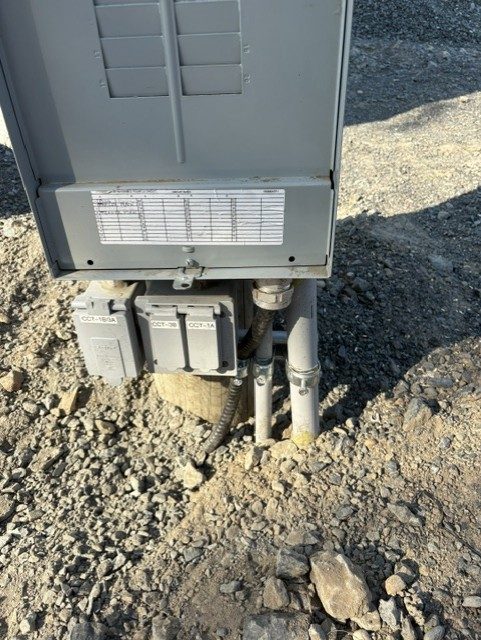
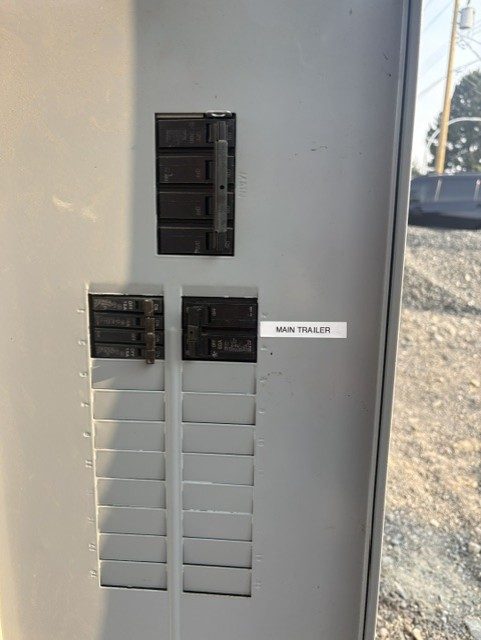
- Check your panel for warning signs — breakers that don't reset cleanly, warm spots, or a panel brand with a known failure history are worse problems to discover mid-outage. See the signs to watch for.
- Locate your main disconnect — know where it is and how to shut it off before you need to in a hurry, especially if there's any flooding risk.
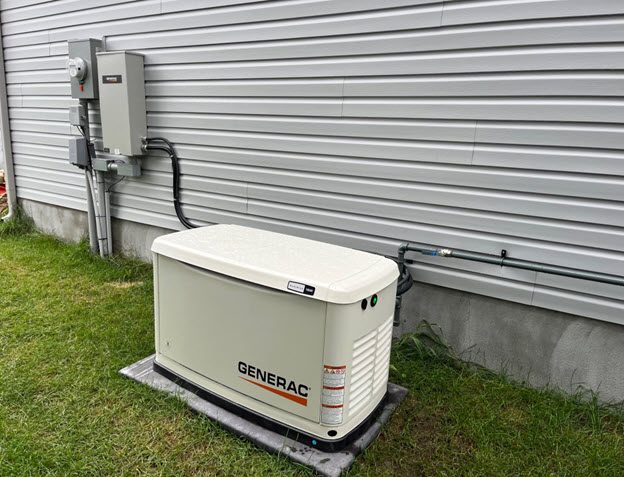
- If you have a generator, service it now — oil, filters, battery, and a real load test, not just the automatic self-test. A generator that hasn't been checked in a year is a gamble at exactly the wrong moment.
- If you don't have a generator, decide your plan now — portable with a manual transfer switch, or a standby system. Deciding during an outage means paying rush pricing and taking whatever's in stock. More on that trade-off in this note on standby generators.
During an outage
- Turn off or unplug sensitive electronics — voltage can spike when power is restored
- Leave one light switched on so you know when power's back, and turn off anything that shouldn't restart unattended (space heaters, some power tools)
- Never run a portable generator indoors, in a garage, or near windows — carbon monoxide risk is real and it moves faster than people expect
- If you smell burning or see sparking anywhere, treat it as urgent and call — don't wait until after the storm passes
After power's restored
- Check that your sump pump and any other critical systems actually came back on — don't assume
- Watch for flickering or dimming in the days after, which can indicate a damaged connection from the outage itself
- If a breaker tripped during the outage and won't reset cleanly now, don't keep forcing it — that's worth a call
The five-minute version
Test the sump pump, glance at the panel, know where the main disconnect is, and service the generator if you have one. All of it takes less time than the drive to buy batteries and candles once the power's already out.
If any of this turns up something worth a second look — an old panel, a generator that hasn't been serviced, or you're deciding whether to get a standby system before winter — reach out now while it's still routine scheduling, not an emergency call.