I get this question a lot, usually right after a windstorm, and it's a fair one. A standby generator is a real expense, and nobody wants to buy peace of mind they didn't need. So here's the honest version, not the sales pitch.
Outages here aren't rare, and they aren't always short
Anyone who's lived through a few winters in Chilliwack and the surrounding valley knows the pattern: windstorms roll through, trees come down on lines, and outages that start as "should be back in an hour" turn into overnight or multi-day situations, especially out toward Rosedale, Popkum, and the more rural stretches. It's not a hypothetical — it's a seasonal reality.
What an outage actually costs you
The obvious cost is a fridge and freezer full of food. The less obvious ones tend to matter more: a sump pump that stops during a heavy rain event, a well pump that leaves you without water, a furnace that won't fire without power in the middle of January, or medical equipment that genuinely can't go offline. A generator isn't really about comfort — it's about not gambling with the stuff that actually causes damage or risk when it fails.
Portable vs. standby — the real difference
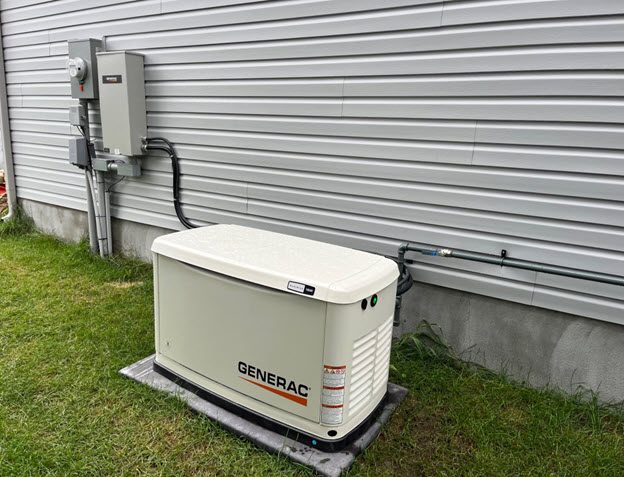
A portable generator is cheaper upfront and works fine if you're willing to be home, run extension cords, and manually manage what's powered. A standby system — the kind I install — sits outside like an AC unit, runs on natural gas or propane, and switches on automatically within seconds of an outage through a transfer switch, whether you're home or not. If you travel, work away from home, or have anything that truly can't go without power, that automatic switch is the whole point.
How sizing actually works
This is where a lot of homeowners get bad advice from a box store or a generic online calculator. Sizing a generator isn't just square footage — it's the specific electrical load of your home: furnace or heat pump startup draw, well pump if you have one, sump pump, fridge, and whatever else you want running. Oversize it and you've overpaid; undersize it and it can't start your furnace under load. I do an on-site assessment specifically to get this right before anything's ordered.
What installation actually involves
- An on-site load assessment to size the unit correctly
- A concrete or composite pad, positioned to meet clearance and noise setback rules
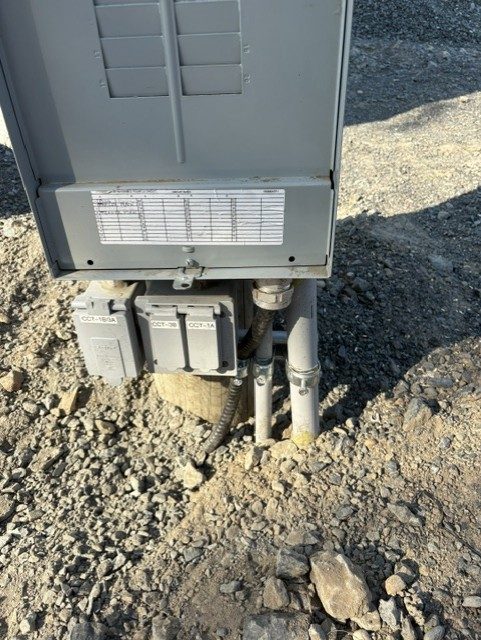
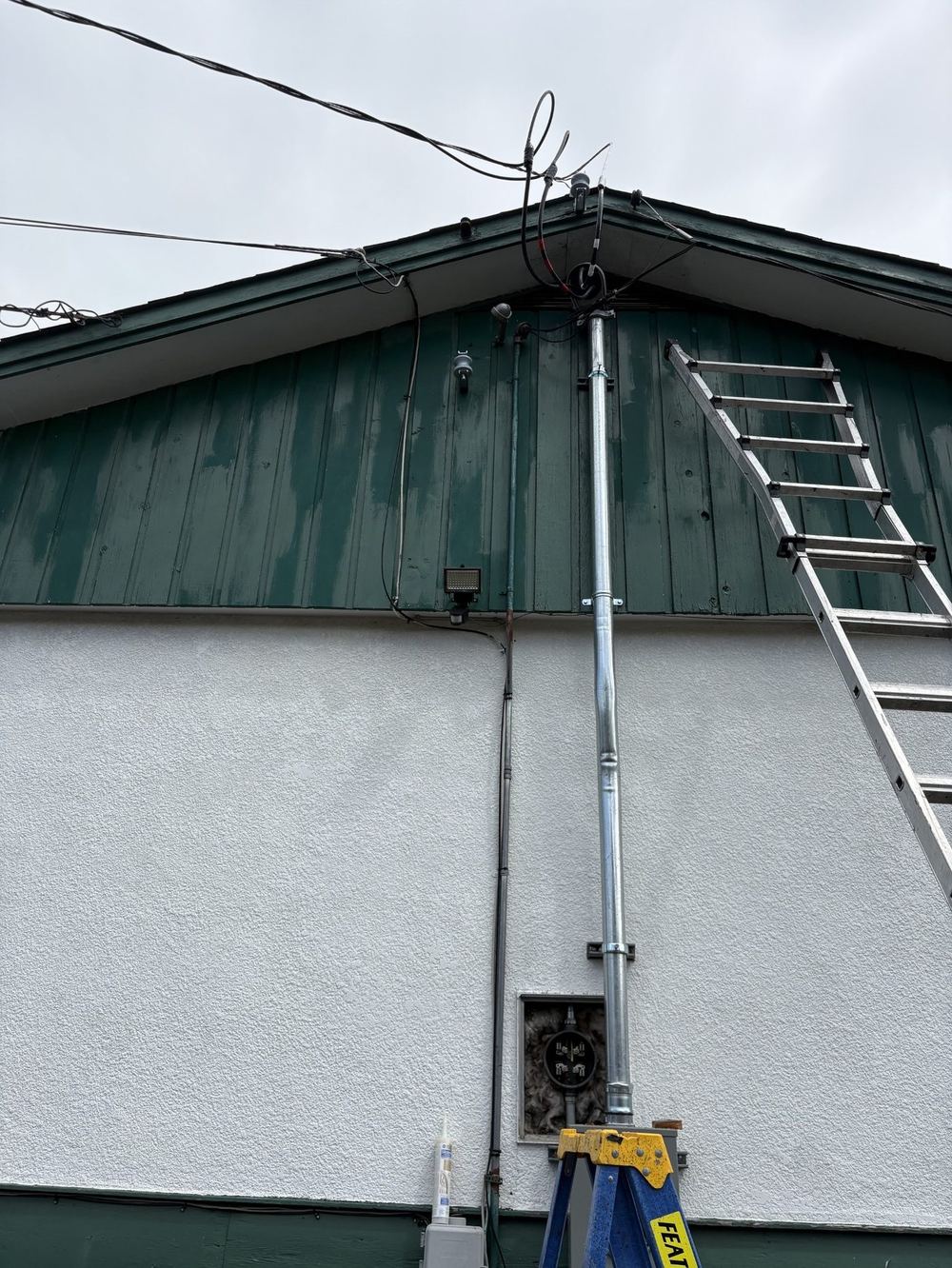
- A transfer switch tied into your panel, so the generator and BC Hydro power can never feed the grid at the same time
- A gas line sized correctly by a licensed gas fitter, coordinated with the electrical work
- A permit — this is not optional, and it's what makes the install insurable
The part people skip: maintenance
A generator that hasn't been started or serviced in two years is a coin flip in the moment you actually need it. Generac units run a short self-test automatically, but an annual service — oil, filters, battery, a real load test — is what separates "it started" from "it started and held the house."
If your outages are occasional and short, and nothing in your home depends on continuous power, a good portable generator and a plan might be enough. If you've got a well, a sump pump, health equipment, or you're just tired of guessing, a standby system earns its keep here more often than not.
Pricing depends entirely on the size of your home's electrical load and the site conditions, so I'd rather give you a real number after a look than a guess. See what's covered under generator installation and Generac service, or if you're weighing this against other electrical work first, it's worth reading about whether your panel has the capacity for it.