General home inspectors do a genuinely useful job, but electrical is one of the areas where their report often ends with some version of "recommend further evaluation by a licensed electrician." That line means something specific, and it's worth understanding before you're staring down a subject-removal deadline.
Panel condition and capacity
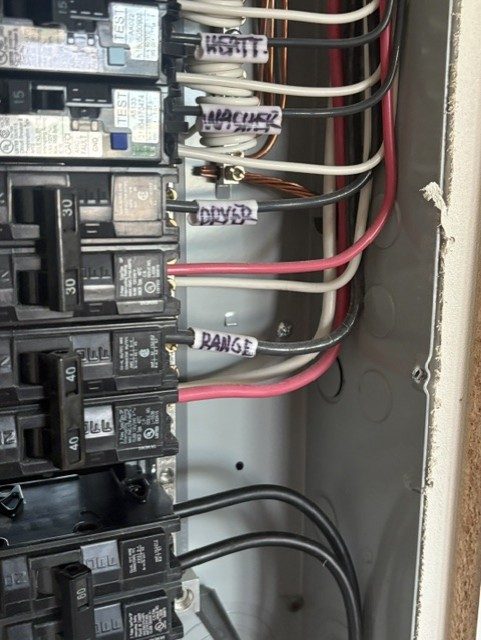
A home inspector can tell you the panel exists and looks generally okay. What I'm checking is the amperage, the brand history, whether breakers are original or mismatched, whether there's any physical damage or corrosion inside, and — critically — whether there's remaining capacity for what you actually want to do with the house, like adding an EV charger or a hot tub down the road.
Wiring type and age
This is the big one in older Chilliwack and Fraser Valley homes. I'm identifying whether the house has knob-and-tube wiring (mostly pre-1950s), aluminum branch wiring (mostly mid-60s to mid-70s — see my note on that specifically), or standard copper, and roughly how much of the house each type covers. A home can have more than one type if it's had partial upgrades over the years, which is common and not automatically a problem — but it changes what you're actually buying.
GFCI and AFCI protection gaps
Current code requires ground-fault protection in kitchens, bathrooms, outdoor outlets, and a few other areas, and arc-fault protection in most living spaces. Older homes predate these requirements, which isn't automatically a violation — it's just a gap between what was code when the home was built and what's expected now. I flag where the gaps are and what it would take to close them, so you're deciding with real information, not guessing.
Permit history and unpermitted work
I look for signs of DIY or unpermitted electrical work — mismatched connectors, junction boxes that aren't properly covered or accessible, wiring that doesn't match what's on record. This matters for safety, but it also matters for insurance: unpermitted work can complicate a claim down the road, and it's much easier to deal with before you own the house than after.
Outbuildings, hot tubs, and detached shops
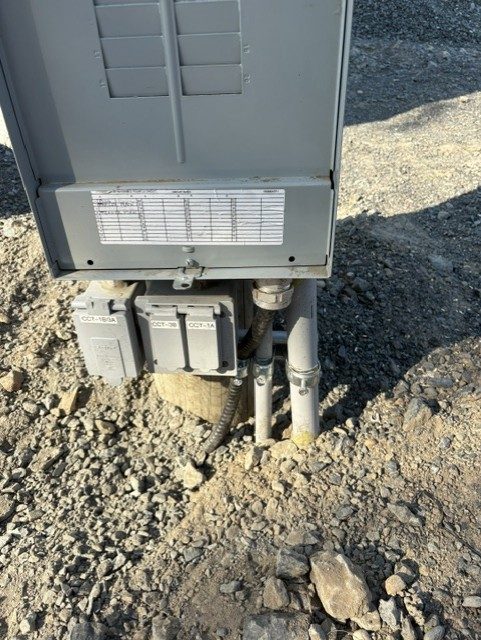
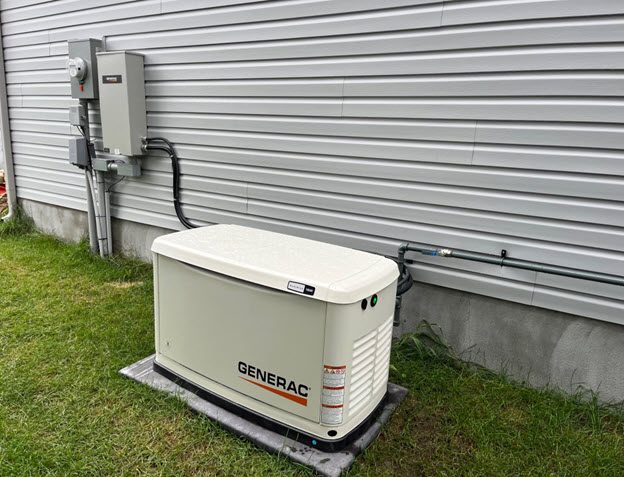
Detached structures with their own power feed are a common blind spot — sub-panels in shops, garages, and hot tub circuits that were sometimes wired without a permit, especially on older rural properties out toward Rosedale or Popkum. These get the same level of review as the main house.
A pre-purchase electrical walkthrough is a fraction of the cost of finding out about a panel or wiring issue after you've closed. If a general inspection flagged anything electrical, or the home is more than about 30 years old, it's a reasonable thing to book during your subject period — not after.
I do these walkthroughs for buyers and for sellers who want to get ahead of an issue before it shows up in someone else's report. If you've got a completion date coming up, reach out with the address and timeline and I'll let you know if it's something I can turn around in time.