A good number of homes in and around Chilliwack built roughly between 1965 and 1975 were wired with aluminum branch circuit wiring instead of copper. It gets a bad reputation, and I understand why, but the actual story is more specific than "aluminum wiring is dangerous." Here's what I tell homeowners when it comes up during a renovation quote.
Why aluminum wiring got its reputation
During a copper shortage in the 60s and early 70s, aluminum was used as a cheaper substitute for standard branch circuit wiring — the wiring that runs to your outlets and switches, not usually the main service. The wire itself isn't the core problem. Aluminum expands and contracts more than copper with heat cycles, and older-style connections — devices and wire nuts rated for copper only — could loosen over time. A loose connection under load is where heat, and occasionally fire risk, comes from. It's a connection problem more than a wire problem.
How to tell if your home has it
A few ways to check without opening anything up:
- Look at the wire jacket at the panel or at an outlet with the cover off — aluminum wire is usually marked "AL" or "ALUMINUM," while copper is unmarked or marked "CU"
- Check your home's build date — if it was built or had electrical work done between about 1965 and 1975, it's worth checking
- Look for outlets and switches marked "CO/ALR" — that marking means the device was rated for aluminum, which is itself a clue
If you're not comfortable pulling a cover plate, this is a five-minute check for an electrician during any other visit.
What actually needs fixing
In most cases, a full rewire isn't what's needed — it's addressing the connection points. The standard, code-accepted fix is either pigtailing each aluminum wire to a short length of copper using a connector specifically listed for copper-to-aluminum connections, or replacing devices with ones rated for aluminum use. Done properly, this addresses the actual failure point without tearing open every wall in the house.
What this means for insurance and resale
Some BC insurers ask directly about aluminum wiring at renewal, and a few will want documentation that connections have been addressed by a licensed electrician before they'll write a policy. It also comes up regularly in home inspections and can be a sticking point in a sale if it's never been looked at. Having it properly addressed — and documented — tends to resolve both issues.
What a renovation should include
If you're already opening up walls for a kitchen or basement reno in a home from this era, that's the ideal time to have every aluminum connection in the affected area addressed properly, rather than working around it. It's a small addition to a renovation that's already happening, versus a separate project later.
This is genuinely one of the jobs where the risk is in doing it wrong, not in the wiring existing. Using the wrong connector, or twisting aluminum and copper together without a rated connector, is exactly the failure mode that causes problems. If your home has aluminum branch wiring, it's worth having a licensed electrician address the connections rather than a general handyman fix.
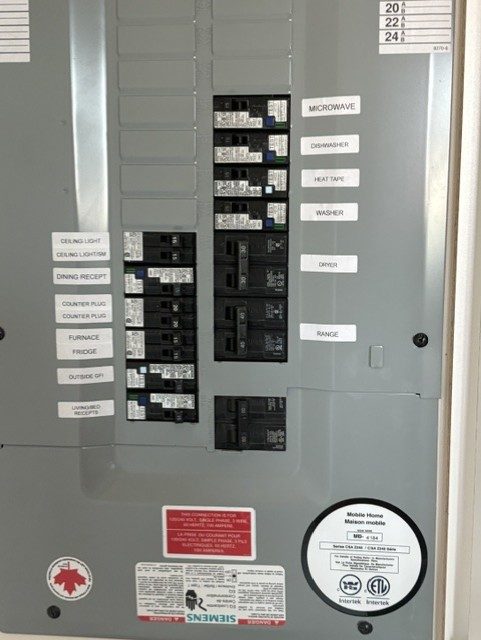
This kind of work usually falls under renovations and new construction or standalone troubleshooting and repairs, depending on scope. If you're not sure what you're dealing with, send a photo of your panel and outlets when you reach out and I can usually tell you a lot before I even show up.