These two acronyms get lumped together constantly, and I understand why — they look similar, they're both breaker or outlet-based protection, and they both showed up in code relatively recently by house-age standards. But they protect against two completely different things.
GFCI: protects people from shock
A Ground-Fault Circuit Interrupter watches for electricity taking a path it shouldn't — like through a person instead of back through the neutral wire. It trips in a fraction of a second, fast enough to prevent a fatal shock. This is why GFCI protection is required anywhere water and electricity are likely to meet: kitchens, bathrooms, outdoor outlets, garages, and unfinished basements.
AFCI: protects the house from fire
An Arc-Fault Circuit Interrupter watches for the electrical signature of arcing — a damaged cord, a nicked wire inside a wall, a loose connection sparking intermittently. These arcs generate heat and are a leading cause of electrical house fires, and they don't necessarily trip a standard breaker the way a dead short would. AFCI protection is now required in most living areas of a home under current code — bedrooms, living rooms, family rooms, hallways.
Why older Chilliwack and Fraser Valley homes often have neither
These requirements have expanded significantly over the past couple of decades. A home built in the 1990s might have GFCI in the kitchen and bathroom but no AFCI anywhere. A home from the 1970s might have neither. That's not a violation — it reflects the code at the time the home was built — but it does mean the level of protection is genuinely different from a home built today.
Do you need to retrofit an older home?
Code generally doesn't force existing homes to be upgraded to current standards unless you're doing renovation work that touches those circuits, or a permit triggers it. That said, GFCI and AFCI breakers can be added to an existing panel in most cases without a full rewire, and it's one of the more cost-effective safety upgrades available for an older home — especially if you have young kids, older wiring, or you're simply not sure what protection you currently have.
How to check what you already have
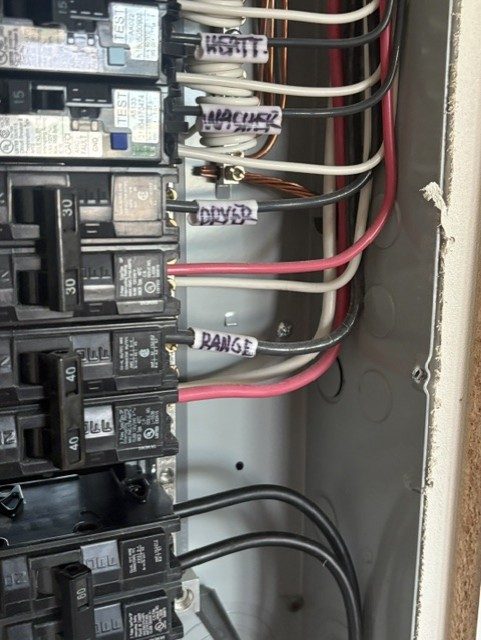
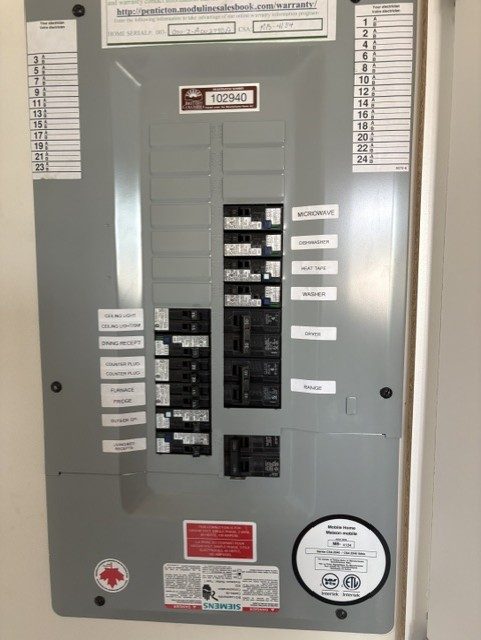
GFCI is usually visible — outlets with test and reset buttons in kitchens and bathrooms, or a GFCI breaker labeled in the panel. AFCI is less visible since it's almost always a breaker rather than an outlet, so check your panel directory or have an electrician confirm during any other visit.
GFCI stops you from getting shocked. AFCI stops a wiring fault from starting a fire. Most homes need both, and most older Fraser Valley homes have gaps in one or both. It's a quick, relatively affordable thing to have checked and closed.
This kind of gap is one of the things I flag as part of any troubleshooting or repair visit, and it's standard on every pre-purchase electrical walkthrough I do.