Most of the renovation jobs I get called into fall into one of two categories: planned from the start, or discovered halfway through. The second category is always more expensive, always takes longer, and is almost always avoidable.
What "discovered halfway through" actually looks like
A contractor opens up a wall for a kitchen remodel and finds aluminum wiring nobody knew about. A homeowner finishing a basement realizes there aren't enough circuits for what they're planning. A wall comes down and there's a junction box that was never supposed to be buried in drywall in the first place. None of these are rare — they're the normal result of not having an electrician look at the scope before the sledgehammer comes out.
Why the timing actually matters
Electrical work is cheap to plan for and expensive to retrofit. Running a new circuit while a wall is already open costs a fraction of what it costs to open that same wall back up two weeks after it's been closed and painted. Every day of delay on a renovation costs money too — and unplanned electrical findings are one of the most common reasons a renovation timeline slips.
What an electrician actually checks before a renovation starts
- What's already there — wiring type, age, and condition in the area being opened up
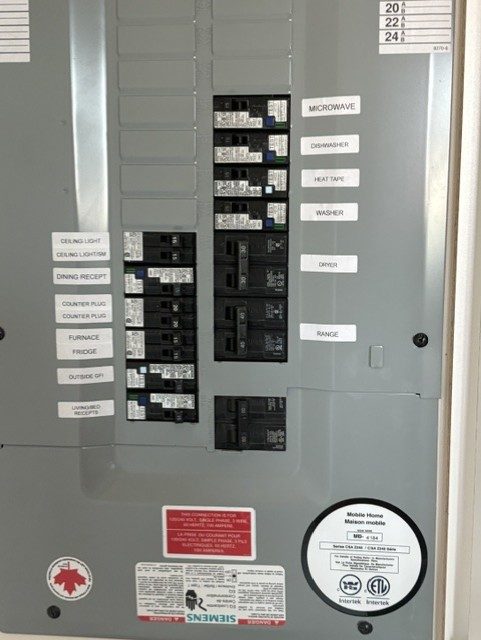
- Whether the existing panel has capacity for what the renovation adds — new lighting circuits, appliances, an island with outlets, a home office
- Where new switches, outlets, and fixtures should go before drywall decisions lock that in
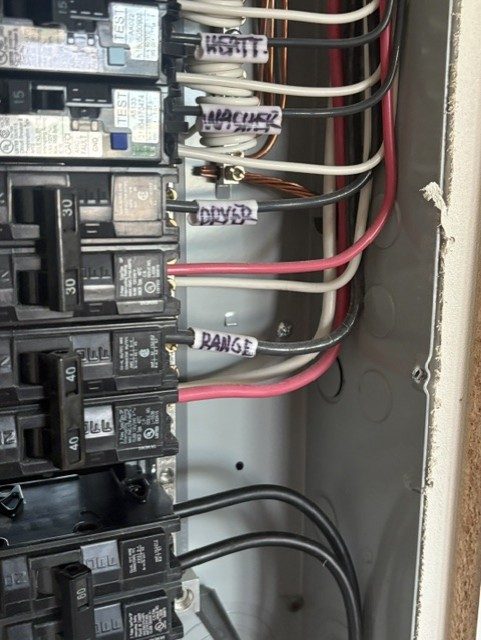
- Whether anything currently in the walls needs to be addressed while it's already exposed — aluminum wiring being the most common find in Chilliwack homes from the 60s and 70s
- What needs a permit, and getting that started before it becomes a bottleneck
The renovations that need this conversation most
Kitchen remodels, basement finishing, and additions are the three where skipping this step causes the most pain — they all tend to add electrical load and touch multiple walls at once. If you're doing any of these in a home built before the mid-1980s, an electrician's walkthrough before you finalize the design is one of the cheaper insurance policies available on the project.
Loop in an electrician at the same stage you'd loop in a plumber — during design, not during demo. It costs nothing to ask, and it's the difference between a renovation that stays on schedule and one that doesn't.
I work directly with homeowners and contractors on renovation electrical, coordinated around your actual timeline — see what that covers on the renovations and new construction page, or if you're dealing with older wiring specifically, this note on aluminum wiring is worth a read before you start.